
ΚΥΠΡΙΑΚΗ ΔΗΜΟΚΡΑΤΙΑ: ΔΙΕΘΝΗΣ ΚΑΙ ΕΥΡΩΠΑΪΚΗ ΝΟΜΙΜΟΤΗΤΑ ΩΣ ΑΚΡΟΓΩΝΙΑΙΟΣ ΛΙΘΟΣ ΒΙΩΣΙΜΟΥ ΚΡΑΤΟΥΣ, ΣΤΑΘΕΡΟΤΗΤΑΣ ΚΑΙ ΕΙΡΗΝΙΚΩΝ ΣΧΕΣΕΩΝ – Republic of Cyprus: International and European Rule of Law as a cornerstone of peace, stability and a viable state. Το παρόν δοκίμιο δημοσιεύτηκε αρχικά στο Τεύχος 11 2024-5, Τετράδια, Εταιρεία Διεθνών Σχέσεων και Διεθνούς Δικαίου]: CONTENTS / Περιεχόμενα: 1. Prerequisites for conflict resolution. 2. The Republic of Cyprus: Member of the UN and the European Union. The protocol of accession to the EU and the resolutions of the Security Council. 3. Prerequisites for productive negotiations and conflict resolution compatible to the Chapter of the UN. 4. International and European rule of law as a prerequisite for a viable Republic of Cyprus. 5. How could the EU membership prove decisive and the concept of national interest as a central criterion. 6. Two states trapped in inefficient and dysfunctional miniature state is not a Polity but a “prison” and a source of conflict and war
Για τις νομικές, πολιτικές και στρατηγικές πτυχές του Κυπριακού έχουμε γράψει αναρίθμητα κείμενα. Βλ. Μερικές παραπομπές στο τέλος. Υπογραμμίζεται ότι στο παρόν αγγλικό κείμενο έγιναν λεπτομερέστερες αναλύσεις για τον ρόλο του ΟΗΕ, τον ρόλο του Συμβουλίου Ασφαλείας (ΣΑ) σε αναφορά με την διεθνή τάξη, τις αποφάσεις του ΣΑ που αφορούν, ακριβώς, την παραβίαση της διεθνούς τάξης με παράνομα τετελεσμένα και την αυτονόητη επιτακτική ανάγκη αδιαπραγμάτευτων θέσεων που αφορούν την διεθνή και Ευρωπαϊκή νομιμότητα. Το δοκίμιο που ακολουθεί δημοσιεύτηκε στα Τετράδια Τεύχος 11 2024-5 Εταιρεία Διεθνών Σχέσεων και Διεθνούς Δικαίου. Διαβάζοντας μόνο τα παραθέματα στον Χάρτη του ΟΗΕ για τον ρόλο του ΣΑ ο καθείς αντιλαμβάνεται εύκολα ότι είναι αδιανόητο το κράτος-θύμα μιας παράνομης επίθεσης -και ταυτόχρονα πλήρες κράτος-μέλος της ΕΕ-, του οποίου καταλήφθηκε πέραν τού ενός τρίτου της Επικράτειάς του, συζητεί δήθεν «λύσεις» που θα το καταργήσουν και θα καταστήσουν την επιτιθέμενη Τουρκία κυρίαρχο. Ακολουθεί το Αγγλικό κείμενο και στο τέλος αρκετές αναρτημένες παρεμβάσεις. Τέλος, σημειώνεται ότι οι υποσημειώσεις τού δοκιμίου βρίσκονται στο τέλος του κειμένου. Προστίθεται ότι οι υποσημειώσεις περιέχουν εκτενέστερα αποσπάσματα από τον Καταστατικό Χάρτη του ΟΗΕ και από τις αποφάσεις το Συμβουλίου Ασφαλείας.
- Prerequisites for conflict resolution
The analysis which follows touches upon certain central issues related to approaches for a peaceful resolution of any conflict in the state-centric international system. It should be made clear at the outset that, the analysis which follows is descriptive and not prescriptive[1].
The case on which we focus below is the Republic of Cyprus. The legal, political and institutional questions which arise are the same or similar in any other interstate conflict. Inter alia: What secures the viability of a state and what is the typology sociopolitical and institutional structures which are conducive? How is this related to state sovereignty / national independence? What is an objective definition of revisionism in interstate relations and how is related to the regime of state sovereignty, international law and the role of the United Nations when the sovereignty of a state is in danger? Why and how international and European rule of law could prevail in the case of Cyprus? What is the precise role of the UN and more specifically of the Security Council?
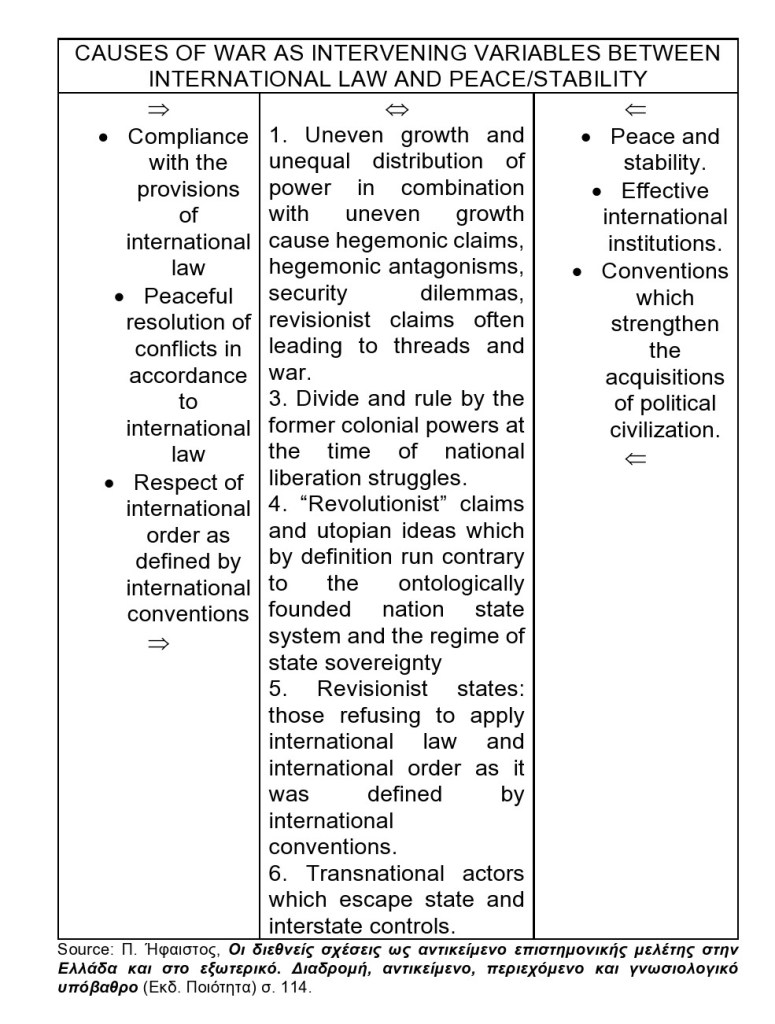
Trying to answer these and other related questions, a correct understanding of the causes of conflict and instability is important for one more reason: It contributes for more rational state strategies and interstate negotiations which are conducive to peace and stability[2]. After all, objectively speaking stability is beneficial for all states. Moreover, it is rational to support that all states have interest to safeguard the high principles which define the regime of state sovereignty and to respect international order as defined by Treaties and international law. In this respect, it is maybe useful to remind that all states signed the Charter of the United Nations (UN) and are therefore committed to respect the high principles of international law and the regime of state sovereignty.
- The Republic of Cyprus: Member of the UN and the European Union. The protocol of accession to the EU and the resolutions of the Security Council
Given the fact that the Republic of Cyprus (RC) is a full member of the United Nations and at the same time a full member of the European Union (EU), whose acquis Communautaire is incorporated in the internal legal system of all member states, the analysis that follows intends to stress, inter alia, two objective arguments and highlight related issues.
First, a crucial factor leading to peace, stability and state viability, is the full implementation of the acquis Communautaire in all the territory of the sovereign Republic o Cyprus (which is the only recognized state). That is, by and large, the legal and institutional order of the European Community. Inter alia, human rights and free movement of goods, persons, services and capital. That is, applying acquis Communautaire is an approach which secures a legal and political structure for a democratic and viable state which is a member of the EU.
Second, the Security Counsil (SC) of the United Nations (UN) is bound to fulfill its role regarding international order and abstain from statements and resolutions which relate to the internal regime of its member states, especially if the state to which we refer is the victim of aggression and violation of international order. No doubt, given the disagreements of the permanent members of the SC the decisions which demand restoration of international order are rare. Nonetheless, as it is going to be stressed below, in the case of the Republic of Cyprus, following the invasion of 1974, the resolutions of the SC, inter alia in its resolutions of 1974,1975 and 1983, leave no doubt that Cyprus was the victim of external aggression. These resolutions of the SC, in fact, were in line with its role regarding international order as defined by international law and the relevant treaties.
Beginning with the European Community, the Protocol attached to the Treaty of Accession of Republic of Cyprus, provides the following important clauses which refer to the whole territory of the only recognized state, that is, the Republic of Cyprus:
«the suspension of the application of the acquis in those areas of the Republic of Cyprus in which the government of the Republic of Cyprus does not exercise effective control». It adds that in the event of a settlement of the Cyprus problem, «the Council, acting unanimously on the basis of a proposal from the Commission, shall decide on the adaptations to the terms concerning the accession of Cyprus to the European Union with regard to the Turkish Cypriot community». It is also stated that, «the EU is ready to accommodate the terms of a settlement in line with the principles on which the EU is founded, and expresses the EU’s desire that Cyprus’ accession to the Union shall benefit all Cypriot citizens and promote civil peace and reconciliation». It goes on to make it clear that nothing in the Protocol of Accession shall preclude economic measures for the areas not controlled by the Cyprus Government, and that such measures shall not affect the application of the acquis Communautaire under the conditions set out in the Accession Treaty in any other part of the Republic of Cyprus[3].
It is politically rational, institutionally necessary and legally imposed that, as regards the Republic of Cyprus -and certainly all other similar institutional issues-, all resolutions and all positions of the organs and of the representatives of the UN, are in harmony to the high principles of international law and international order. That is, full respect of the role of the UN as the most important contemporary international institution. Regarding Cyprus more specifically, the relevant very important Resolutions of the Security Council (SC) which refer to international law and order and the illegality of faits accompli.
As already mentioned, the SC have many important resolutions, inter alia of 1963, 1974, 1975 and 1983, which make it absolutely clear, first, that the only recognized state is the Republic of Cyprus, second, that the Republic of Cyprus was the victim of external aggression, and third, that the illegal occupation of a part of the territory of the Republic of Cyprus should not prejudice negotiations and the peaceful resolution of the conflict. Here are some points of the resolutions which are in compliance with the role of the SC regarding international order as defined by the high principles of the Chapter of the UN of international law and international order[4]. We could stress certain points and the interested could see more abstracts in the notes and certainly in the Resolutions which are easily accessible in the webpage of the UN.
Resolution 360 16 August 1974: «The Security Council, Recalling its resolutions 353 (1974) of 20 July, 354 (1974) of 23 July, 355 (1974), of 1 August, 357 (1974) of 14 August and 358 (1974) of 15 August 1974, Noting that all states have declared their respect for the sovereignty, independence and territorial integrity of the Republic of Cyprus. … 1. Records its formal disapproval of the unilateral military actions undertaken against the Republic of Cyprus; 2. Urges the parties to comply with all the provisions of previous resolutions of the Security Council, including those concerning the withdrawal without delay from the Republic of Cyprus of foreign military personnel present otherwise than under the authority of international agreements; 3. URGES THE PARTIES TO RESUME WITHOUT DELAY, IN AN ATMOSPHERE OF CONSTRUCTIVE CO-OPERATION, THE NEGOTIATIONS CALLED FOR IN RESOLUTION 353 (1974) WHOSE OUTCOME SHOULD NOT BE IMPEDED OR PREJUDGED BY THE ACQUISITION OF ADVANTAGES RESULTING FROM MILITARY OPERATIONS» [emphasis added]
Resolution 367 (1975)… Noting the absence of progress towards the implementation of its resolutions, 1. Calls once more on all States to respect the sovereignty, independence, territorial integrity and non-alignment of the Republic of Cyprus and urgently requests them, as well as the parties concerned, to refrain from any action which MIGHT PREJUDICE THAT SOVEREIGNTY, INDEPENDENCE, TERRITORIAL INTEGRITY AND NON-ALIGNMENT, AS WELL AS FROM ANY ATTEMPT AT PARTITION OF THE ISLAND OR ITS UNIFICATION WITH ANY OTHER COUNTRY; 2. REGRETS THE UNILATERAL DECISION OF 13 FEBRUARY 1975 DECLARING THAT A PART OF THE REPUBLIC OF CYPRUS WOULD BECOME A “FEDERATED TURKISH STATE”, AS, INTER ALIA, TENDING TO COMPROMISE THE CONTINUATION OF NEGOTIATIONS …. [emphasis added]
Resolution 541 (1983) … The Security Council, Having heard the statement of the Foreign Minister of the Government of the Republic of Cyprus,180 Concerned at the declaration by the Turkish Cypriot authorities issued on 15 November 1983181 which purports to create an independent state in northern Cyprus, Considering that this declaration is incompatible with the 1960 Treaty concerning the establishment of the Republic of Cyprus182 and the 1960 Treaty of Guarantee,183 Considering, therefore, that THE ATTEMPT TO CREATE A “TURKISH REPUBLIC OF NORTHERN CYPRUS”, IS INVALID, AND WILL CONTRIBUTE TO A WORSENING OF THE SITUATION IN CYPRUS, REAFFIRMING ITS RESOLUTIONS 365 (1974) AND 367 (1975) … Deplores the declaration of the Turkish Cypriot authorities of the purported secession of part of the Republic of Cyprus; 2. Considers the declaration referred to above as legally invalid and calls for its withdrawal; … 6. CALLS UPON ALL STATES TO RESPECT THE SOVEREIGNTY, INDEPENDENCE, TERRITORIAL INTEGRITY AND NON-ALIGNMENT OF THE REPUBLIC OF CYPRUS; 7. CALLS UPON ALL STATES NOT TO RECOGNISE ANY CYPRIOT STATE OTHER THAN THE REPUBLIC OF CYPRUS; … [emphasis added]

`
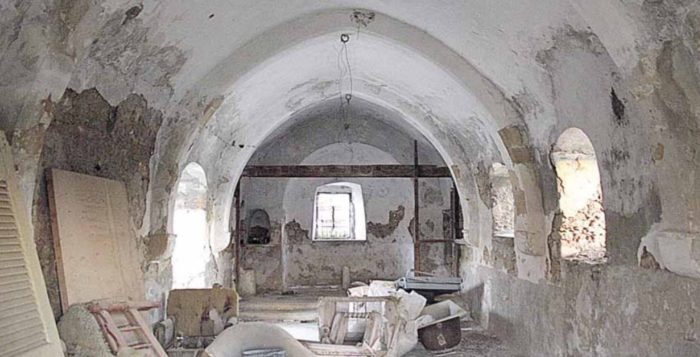
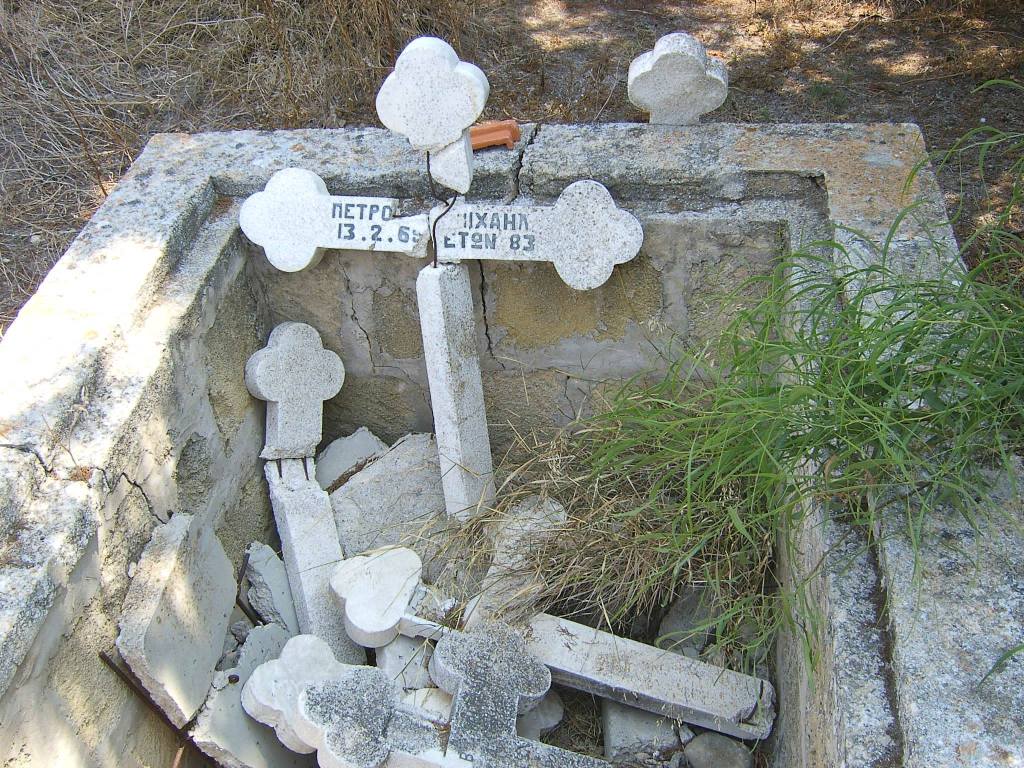
The above resolutions issued after the violation of the sovereignty of the Republic of Cyprus in 1974 and after the illegal attempt to establish a separate state in 1983, are legally and politically speaking the only valid decisions. Given the importance of this position, we could stress here the legal and political fact that, the Charter of the UN describes the role of the Security Council and of the representatives of the UN with precision:
Chapter I Article 2 of the United Nations: The Organization is based on the principle of the sovereign equality of all its Members. … 4. All Members shall refrain in their international relations from the threat or use of force against the territorial integrity or political independence of any state, or in any other manner inconsistent with the Purposes of the United Nations. … 7. NOTHING CONTAINED IN THE PRESENT CHARTER SHALL AUTHORIZE THE UNITED NATIONS TO INTERVENE IN MATTERS WHICH ARE ESSENTIALLY WITHIN THE DOMESTIC JURISDICTION OF ANY STATE OR SHALL REQUIRE THE MEMBERS TO SUBMIT SUCH MATTERS TO SETTLEMENT UNDER THE PRESENT CHARTER; but this principle shall not prejudice the application of enforcement measures under Chapter Vll. [emphasis added]
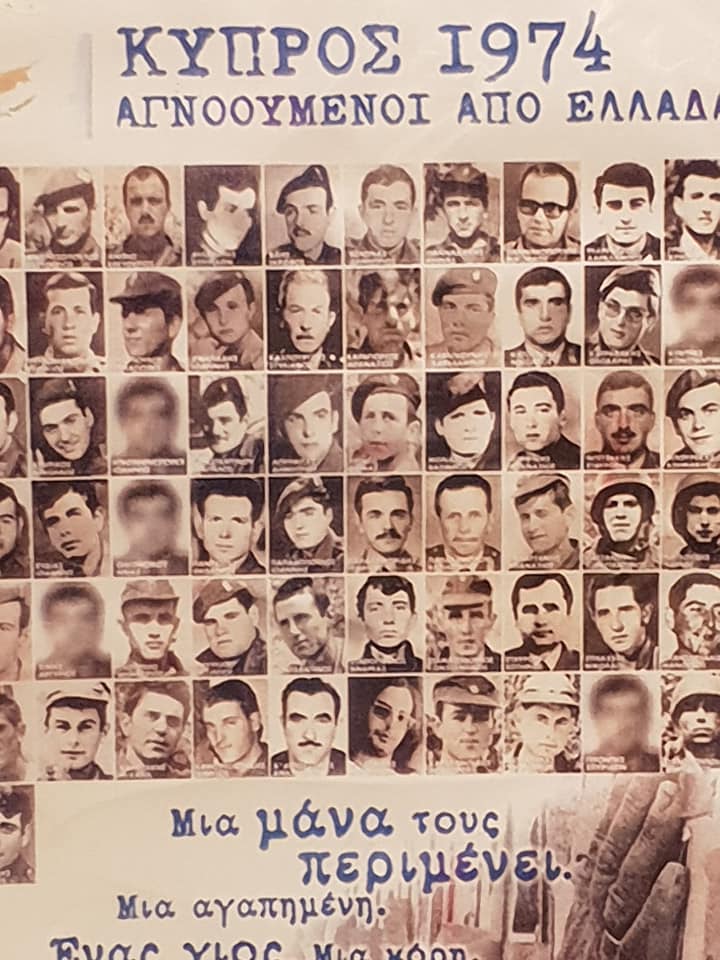
Chapter VII article 39 of the United Nations regarding threats to the Peace, breaches of the peace, and acts of aggression: The Security Council shall determine the existence of ANY THREAT TO THE PEACE, BREACH OF THE PEACE, OR ACT OF AGGRESSION and shall make recommendations, or decide what measures shall be taken in accordance with Articles 41 and 42, to maintain or restore international peace and security. [emphasis added]
- Prerequisites for productive negotiations and conflict resolution compatible to the Chapter of the UN
The abstracts from Chapter I an Chapter VII and the abstracts from the resolutions of the SC of 1974, 1975 and 1983 cited earlier in the text and in footnotes, highlight with precision a) the role of the SC, b) the importance of its resolutions regarding the violation of international order, in the case of the Republic of Cyprus in 1974 and 1983 and c) the deficiencies of subsequent «declarations» inserted in resolutions(?)[5] which include “suggestions” regarding the internal regime of a sovereign member state which in both legal and political terms are incompatible with the Chapter of the UN. More precisely:
a) As the aforementioned resolutions of the SC itself made it absolutely clear, the illegal Turkish invasion of 1974 violated international law, disturbed international order and created illegal faits accompli.
b) Therefore, legally and politically the victim of the illegal invasion and of the creation of illegal faits accompli was the Republic of Cyprus. Consequently, the next step as regards the role of the SC should had been to restore law and order by canceling faits accompli. The reasons the SC did not fulfil its role as the guardian of international order are well known and relate to the right of veto of the permanent members and their fluctuating interests in the often conflictual international system.
c) These indisputable facts do not negate the fact that the SC in the aforementioned resolutions established the legal, institutional and political basis for the negotiations which could lead to restoration of international law and order.
d) Because the SC did not act effectively by taking appropriate measures to reverse the illegal faits accompli and restore international order, in each new round of negotiations the victim which in this case is the weak side of the conflict, gradually was compelled to retreat from legality and discuss plans at the expense of its state sovereignty.
e) As a result, the state that is the Republic of Cyprus, which indisputably is the victim is the weak side of the conflict, accepted to discuss issues which relate to its internal regime, successive rounds of negotiations were contacted not on the grounds of international law but around plans which if accepted legitimize the faits accompli.
f) Consequently, in each new negotiating round the Turkish side was raising additional illegal claims, and oddly so, the SC was subsequently calling for new negotiations on the basis of plans which inevitably lead the weak side to the acceptance of the faits accompli, the abolition of the Republic of Cyprus and the establishment of non-viable state structures which inevitably lead to instability and conflict.
g) Nonetheless, it is necessary to also remind and emphasize that, when ιn 2004 the Anan plan with which it was attempted to legalize the illegal faits accompli was put to referendum, it was rejected by the majority of the Cypriot citizens. For five decades the negotiating approaches proved insufficient and successively ended in impasse. Still, it is stress again, despite the fact that the SC is committed by the Charter of the UN to stick to its positions which are in harmony with international law and order, successive resolutions did not abstain from including “advises” to the victim to participate in negotiations whose outcome could only be acceptance of the illegal faits accompli, to instability and conflict.
To sum up, the deficiencies of the SC -basically owing to the veto of its permanent members which are competing for power and influence on the planet and which are often involved in regional conflicts- not only prevented re-establishment of law and order, but cornered the victim because of “advises” which lead to the acceptance of illegality, to non-viable state structures, to instability and to new conflicts. We could stress two important issues:
First, the conflict of Cyprus crystallizes the deficiencies of the SC which undermine the role of the most important contemporary international institution, that is, the United Nations.
Second, it demonstrates the mistakes of successive governments of the Cyprus Republic which underestimated the role of the power of the victim in international conflicts[6]. As a result the Cyprus State omitted to reject proposals and negotiations which were not based on international law and omitted to demand that in each new round of negotiations should had been conducted on the basis of international law and order and the resolutions of the SC which were calling of the restoration of international law and international order. We sum up and stress further the above important points:
1. After 1974 the resolutions of which some abstracts are cited above, define with precision which is the victim of aggression. Objectively and by all means the victim is the Republic of Cyprus. Despite these resolutions, the SC hitherto did not fulfill its role as the guarantor of international law and international order because -owing to disagreements of its member states- did not take action in order to restore international order (it is stressed again: in accordance to its role and its aforementioned decisions which defines with precision which state disturbed international order and that the Republic of Cyprus was the victim of aggression).
2. Subsequent negotiations led to retreats of the weak side, that is, of the Republic of Cyprus (which, we intentionally repeat and emphasize again and again), was the victim of illegal aggression. The SC, instead of sticking to its role, in subsequent resolutions which were calling for the resumption of the negotiations, was “registering” the illegal claims of Turkey and the retreats of the blackmailed and continuously threatened victim. In other words, in each circle of negotiations instead of implementing international law and imposing the original decisions of the SC, the SC was calling for new negotiations which gradually could lead to the acceptance of the illegal fait accompli of 1974.
3. As it is only obvious, this have no legal basis, because the SC have no jurisdiction to define the internal regime of an independent state which is in addition full member of both the UN and of the EU. It is against article 2 para 7 of Chapter VII cited above and the victim of aggression has the right and the interest to insist for the enforcement of international law and order. Such a position, moreover is in line with other provisions of the Charter of the UN which make it clear that at issue is law and stability and not the acceptance of illegal acts of aggression which lead to illegal fait accompli, non-viable structures, conflict and instability.
Insisting on the above indisputable arguments it is important for one more reason of broader importance: As we advance deeper in the 21st century the causes of war multiply, antagonism and conflicts of great powers become more sharp than the Cold War, many wars erupt in the regions and despite numerous challenges which make it necessary for international governance with advanced institutional approaches based on legally and politically rational approaches, the attention as regards the deficiencies of the existing international institution is insufficient.
At this point we summarize the following as crucial aspects of the conflict in Cyprus and stress additional criteria and factors which relate to international law and order, peace and stability:
1. In 1974 when we had the Coup d’ Etat and the Turkish invasion, and in 1983 when we had an illegal proclamation of independence in the occupied areas, the SC decided –and indeed it is a rare event, given the stalemates in the SC since 1945 owing the disagreements of the permanent members– in favor of re-establishing international order[7]. That is, calling everyone to respect the integrity and the sovereignty of the Cyprus Republic.
2. In each subsequent decision calling for the continuation of negotiations we had references as regards the positions of the two sides during the previous phase of negotiations. The victim of aggression, that is, the Republic of Cyprus, gradually yielded politically by accepting to negotiate on the basis of abolishing the Cyprus Republic, of establishing bizonality, bicommunallity and, most importantly, of “political equality” (not as regards the citizens of a united state but on a racial/national divisive basis!). Standard negotiating practices make it imperative that those political postures would had been withdrew given the other side’s consistent intransigent postures and demands to create a totally dysfunctional and institutionally monstrous state[8]. A “state” which in fact exists nowhere else and never existed. Arguments that there is a “negotiating acquis” of “equality” on racial/national basis in ways that clearly violate the principle of democracy, are crossly mistaken.

3. Last but not least, it is added that if anything else is meant it should be abandoned even if the Security Council “decides” otherwise. The sole role of the SC is international order. Because it is important and crucial for conflict resolution in the case we examine here, “peace and Security” stipulated in Charter 7, does not concern the Cyprus Republic which was twice the victim of illegal external aggression (by the dictators of Athens and then by Turkey when it invaded). Beyond the fact that according to the Charter of the UN article 2 the SC has no right to define the internal regimes of its member-states, such ideas run against the Charter of the UN which by all means embodies the regime of state sovereignty and non-interference in the internal affairs of sovereign and independent states.
- International and European rule of law as a prerequisite for a viable Republic of Cyprus
A comprehensive report written by an international panel after the Anan plan was rejected in the referendum of 2004, titled “A principled basis for a just and lasting Cyprus settlement in the light of International and European Law of the international expert panel for a European Solution of the Cyprus Problem”, by all means and objectively is the only basis for restoring legality and leading to an agreement which on the one hand do not abolish the existing recognize state of the Republic of Cyprus and on the other hand create prerequisites of viability, stability and peace[9].
This report offers a full account of international and European rule of law and, indeed, it is an “arsenal” of objective arguments if international agreements and international conventions are to be respected and applied. The report grasped the chance and put in the centre of its arguments the aforementioned “Anan plan” which was proposed in 2004 and was rejected in the referendum[10].
At the same time, it is stressed once more, the SC instead of complying to its role and safeguard international order by taking the necessary action for that -or at least stick to the aforementioned decisions of 1963,1974,1974 and 1983 which are compatible to the Charter of the UN and its role as a guarantor of international law and order-, continues to record the retreats of the representatives of the Cyprus Government which is the victim of aggression and of illegal fait accompli.
On the basis of the precedent analysis and the arguments made above, a prerequisite for a peaceful resolution of the conflict in Cyprus necessitates, on the one hand, the application of the fundamental principles of International and European rule of law without exemptions and on the other hand the application of all prerequisites relating to internal and external sovereignty.
In fact, elementary knowledge of purely objective factors regarding the Cyprus conflict after 1960 is telling: At the outset it became evident that the Constitution which was basically imposed by the colonial power, included veto on the basis of national / racial criteria which paralyzed state decisions. In fact, until 1963 no decision was taken and this led the President at that time to propose reform the Constitution. To put it otherwise, there is no viable outcome of the Cyprus conflict if the divisive arrangements of the Zurich Agreement are not abolished and if the so-called guarantees as well foreign troops stationed on the island are not withdrawn.
Again, if we stick to international principles by and large acceptable by all states which are members of the UN, they stipulate that internal and external sovereignty, independence, equality among states and non-intervention are fundamental factors and criteria of the international regime which was established in 1945 and which was defined with precision in the Charter of the UN. The same applies for the states involved in the Cyprus conflict which are members of the conventions for human rights whose clauses are incorporated in their internal normative structures and which provide a legally binding framework.
To sum up, a prerequisite for a viable solution which provides a viable state which is conducive to regional stability, is the respect of fundamental principles such as the prohibition of aggression, the non-recognition of its consequences when illegal fait accompli are created, the respect of human rights and the demand that all states respect the international law which defines international order.
Normative structures democratically oriented and democratically decided are certainly the most important factor for a viable state whose political rights apply to all citizens irrespective national origin. The democratic orientation in viable states is defined in their constitution. Irrespective anyone’s doctrinal views, by democratic orientation here we refer to the classical perception of the term democracy: The governing authorities are the assignee whereby the assignors are the citizens. The citizens of a democratic polity, moreover, have equal political rights which apply to all of them irrespective racial, religious or national origin. The claims and struggles of the citizens to become more and more assignors is an endless process and what matters is whether the sociopolitical system is by and large structured and oriented towards democracy and political freedom.

In fact in the context of a state’s democratic structure so oriented, sky is the limit for political, cultural, religious decentralization and for checks and balances which secure full application of the socio-politically defined political rights.
Given that politics classically conceived refer to an ever going «contest» during which endlessly define, change and redefine political morality that underpins the distributive justice system and the corresponding compatible –to this system– normative structures, if the aforementioned criteria and prerequisites do not apply, any legal system if defined and prefixed by external forces in order to serve their revisionist purposes, is a priori condemned to failure resulting to conflict and instability. As the aforementioned Report of the international panel put it, “both the present state of affairs in Cyprus and the terms of the Annan Plan are inconsistent with fundamental principles” which are a precondition of state viability.
- How could the EU membership prove decisive and the concept of national interest as a central criterion
As already mentioned, a central issue concerns the fact that the accession of the Cyprus Republic into the EU makes it imperative to incorporate in any solution all the principles and all the criteria on the basis of which the European Community was established and on the basis it evolved even since constructing the acquis Communautaire. As already underlined, by joining the EU and by signing the protocol of Accession the Cyprus Republic incorporated the “acquis Communautaire” which by itself provides a democratic state governed by the rule of law principles[11].
The decision on the basis of which the full accession of the Republic of Cyprus into the EU was achieved, was, precisely, based on a deliberate purposeful approach in the search for a viable state whose orientations and functions are safeguarded by incorporating the aforementioned fundamental principles in the negotiating process and by providing a normative framework which apply to all Cypriot citizens without discrimination[12].
Let’s be more specific and clear as regards contemporary international politics in a state-centric world: Conflict-resolution when governed by international law criteria is not an altruistic approach or an approach which could be governed by subjective personal criteria or invisible illegal intentions of individuals or states. It could prove productive only if it serves the lawful and legitimate interests of all actors involved. That is, in the case we focus here, primarily the interests a) of all Cypriots (Greek Cypriots, Turkish Cypriots and the other communities), b) of Greece and c) of Turkey if the latter abandons revisionist claims.
Security is in fact a core concept of conflict-resolution and a fundamental factor in state purposes. The most important question to be answered in this respect, is the following: Is the security and the interests of the actors involved served by stability and interstate cooperation or by conflict and instability which shall be inevitable shall be the result of the creation of a non-viable state structure in Cyprus?
Respecting the lawful and legitimate national concerns of all countries involved is a core concept for conflict-resolution. Revisionist policies and actions run contrary to this principle. Defining “lawful-legitimate”, is thus not a matter of subjective judgement but a matter of attachment to the principles of international governance which is compatible with international law and to the Charter of the United Nations: No revisionism, no aggression and respect of international order, as we know, are high principles of the contemporary international system which was established when the United Nations was created. In this productive sense, the primary concern is the interests of Cypriots themselves and if this is accepted and respected is also in the interest of both Greece and Turkey:
a) Greece’s and Turkey’s lawful and legitimate national concerns and the purpose of peace and stability in Cyprus are fully served if they both disengage completely from Cyprus[13].
b) The interest of the people of Cyprus are served if all armies, the military bases and all external neo-colonial tutelage are swept away.
c) The interests of the people of Cyprus are served in a lasting way if European rule of law –as the Protocol of Accession provides– applies on the whole island.
Furthermore, as it is correctly and pointedly noted in the aforementioned report, “a principled basis for a just and lasting Cyprus settlement in the light of International and European Law”: “International law, as well as EU law, is founded upon the recognition of independent and sovereign states. Consequential principles include the obligations of non-intervention in the internal affairs of states and respect for the territorial integrity of all states. In addition, the right of self-determination provides that while people within a state have the right to participate in the governance of that state, the free choice of the people of a state, conforming to fundamental international and European values must be respected on the international level” (points 10 and 17). “Democracy refers to the establishment and continued existence of a genuinely representative government responsive to the people. It requires that the basic rules establishing and organizing the state and its relationship with society be accepted by the citizens.
It further requires full respect of the will of the people as expressed by the voters and/or their legitimate representatives. Democracy is founded on majority rule, in full recognition and application of individual, minority and group rights, as appropriate. The principle of democracy is an increasingly important part of international law, and at the very heart of European law. Article 3 of the Statute of the Council of Europe refers to pluralist democracy, respect for human rights and the rule of law as principles of the Council system”. (Point 15) “the rights enshrined in the European Convention constitute fundamental principles of the European Union, which itself is based upon the principles of liberty, democracy, respect for human rights and rule of law. The European legal order, therefore, both through the European Convention of Human Rights and the acquis Communautaire, provides the most stringent and efficient system of protection of human and minority rights worldwide. Moreover, both Cyprus and Turkey are parties to the International Covenant on Civil and Political Rights, article 1 of which lays down the right of self-determination, and to the International Convention on the Elimination of All Forms of Racial Discrimination” (point 15)..
Ipso facto and rightly so, these points answer adequately and satisfactorily the claims for the so called “equality clause”. Equality in a federation could not possibly mean “a right for veto” in line with racists and national criteria. Paralyzing the state along these lines is self-defeating and self-destructing. Furthermore, it contradicts all conceivable ideas regarding the State as a normative structure appropriate for a collective way life.
One should not confuse safeguard clauses or the need for check and balances in any sociopolitical system with the right of some groups to paralyze the functioning of the political institutions. A main purpose of the Accession of Cyprus in the EU was to reinforce politically and legally the terms which favor the political and human rights of all citizens.
- Two states trapped in inefficient and dysfunctional miniature state is not a Polity but a “prison” and a source of conflict and war
A state is not a trap or a prison for its citizens. Designing normative structures which safeguard equality of the citizens and its constituent groups should not therefore be confused with artificial state structures whereby majorities and minorities are trapped in an artificial non-independent “federal state” whose “institutions” could not function and whose existence shall continue to be disturbed by other states. This is self-defeating, dead ended and a prescription of conflict and bloodshed in intrastate and interstate relations. This is a fact which is confirmed daily in many cases in contemporary international relations.
As noted above, in a democratically oriented polity, sky is the limit of increasing the role of the citizens and at the same time safeguarding the political rights for everyone. In fact, as already stressed, there is no limit for commonly agreed arrangements which provide adequate decentralization and self-governance in a multitude of issues and levels as long as it does not lead the state’s decision-making into a stalemate, impasse and inevitable conflict[14].
As it becomes clear, it is not the purpose of the present analysis to describe and elaborate specific methods and approaches pertinent for Cyprus. Certainly, however, in the context of governance involving decentralization and self-governance compatible to International and European rule of Law, there are innumerable thoughts as regards the orientation and the legality of approaches which provide procedures, co-decisions among the various levels irrespective nationality and methods of qualified majorities, simple majorities and checks and balances that implicate all the citizens and all groups of the Republic of Cyprus irrespective of national origin[15].
Let’s however not go further but just stress the fact that self-autonomy and self-governance in the context of any democratically structure state, could not possibly mean splitting the people or worse, inserting divisive logics which could cause conflict and bloodshed as it happened owing to the deficiencies and distortions of the Constitution of 1959 which was by and large imposed by the colonial power. Despite external interferences and interventions, the Cypriot citizens dispose a state, the Republic of Cyprus is the only recognize member and a member-state of the EU where rule of law prevails. It is rational not to abandon this advantage.
Let’s make it abundantly clear once more that invoking International and European Rule of Law and other principles or approaches to conflict-resolution has nothing to do with idealistic and legalistic ideas which overlook the dynamic political character of international relations or the causes of war that cause conflicts in inter-state or intra-state relations[16]. The principles to which we refer here are legally binding clauses for all states involved in the Cyprus conflict[17] and the citizens of the Republic of Cyprus could claim that they apply in full. If all Cypriot citizens, irrespective nationality or culture, properly understanding their common interests, by accepting to apply these principles shall immediately and effectively terminate the main cause of war in Cyprus, that is, external interferences and external interventions.
All Cypriot citizens have vested interests in claiming to apply International and European Rule of Law, an approach that by and large offers the framework of binding rules which could establish internal-external sovereignty, democracy, popular sovereignty and thus real independence. By so doing, if they succeed, they have a chance to take their fortune in their hands and the fact that the Republic of Cyprus is a full member of the EU, precisely, secures the legal and political and legal framework to fulfil all these legitimate purposes. Moreover, it is important to note that if the Republic of Cyprus is abolished and if it is replaced by a non-viable state structure it could undermine the functioning of the EU and establish a precedent which runs against all principles and ideas on the basis of which the European Union was constructed.
Footnotes
[1] Α scholar deeply committed to the highest academic standards and intellectual values, Hedley Bull, noted: «The search for conclusions that can be presented as “solutions” or “practical advise” is a corrupting element in the contemporary study of world politics. Such conclusions are advanced less because there is any solid basis for them than because there is a demand for them which it is profitable to satisfy. Hedley Bull, The Anarchical Society. A study of order in world politics (Macmillan Press Ltd, London 1995), p. 308. Agreeing with Hedley Bull we add that what is important in an analysis on conflict resolution in specific cases is that the analyst should refer only to principles commonly accepted as objective. Also, the analyst should consider institutions to which adhered all states such as the United Nations as very important for civilized international relations. Let’s make it clear that such postures are not subjective. They are related to objective criteria and principles in the foundations of political civilization.
[2] Agreeing with the Paradigm established by Thucydides about the causes of war, balance of power (“equal power”) is also a very important criterion in order to have rational negotiations. Major causes of war, are, inter alia, hegemonic behaviors and revisionists claims which run again international law, whilst the revisionist state is not accepting the application of the clauses of Treaties which define international order in specific cases. The role of power, especially when a state is defending its territory against revisionism, is examine by the undersigning in many other published books and articles. Here we stress the equally important issues which relate to international institutions, international law and international order as defined by the Conventions. Also, as it is already stressed, given that the Republic of Cyprus is a member the EU, a most important issue is the application of acquis Communautaire and decisions by the European Community which claim it.
[3] For the Protocol see Ministry of Foreign Affairs, Republic of Cyprus, http://www.mfa.gov.cy/mfa/.
[4] We cite some more abstracts of these Resolutions: Here are some crucial abstracts of some resolutions of the SC (emphasis added):The situation in Cyprus Resolution 353 (1974)106 20 July 197 « 1. Calls upon all States to respect the sovereignty, independence and territorial integrity of Cyprus; 2. Calls upon all parties to the present fighting as a first step to cease all firing and requests all States to exercise the utmost restraint and to refrain from any action which might further aggravate the situation; 3. Demands an immediate end to foreign military intervention in the Republic of Cyprus that is in contravention of the provisions of paragraph 1 above;». … The situation in Cyprus Resolution 360 (1974)118 16 August 1974: «The Security Council, Recalling its resolutions 353 (1974) of 20 July, 354 (1974) of 23 July, 355 (1974), of 1 August, 357 (1974) of 14 August and 358 (1974) of 15 August 1974, Noting that all states have declared their respect for the sovereignty, independence and territorial integrity of the Republic of Cyprus, … 1. Records its formal disapproval of the unilateral military actions undertaken against the Republic of Cyprus; 2. Urges the parties to comply with all the provisions of previous resolutions of the Security Council, including those concerning the withdrawal without delay from the Republic of Cyprus of foreign military personnel present otherwise than under the authority of international agreements; 3. URGES THE PARTIES TO RESUME WITHOUT DELAY, IN AN ATMOSPHERE OF CONSTRUCTIVE CO-OPERATION, THE NEGOTIATIONS CALLED FOR IN RESOLUTION 353 (1974) WHOSE OUTCOME SHOULD NOT BE IMPEDED OR PREJUDGED BY THE ACQUISITION OF ADVANTAGES RESULTING FROM MILITARY OPERATIONS»; 4. … The situation in Cyprus Resolution 367 (1975)127 12 March 1975 The Security Council, Having considered the situation in Cyprus in response to the complaint submitted by the Government of the Republic of Cyprus, Having heard the report of the Secretary-General128 and the statements made by the parties concerned, Deeply concerned at the continuation of the crisis in Cyprus, Recalling its previous resolutions, in particular resolution 365 (1974) of 13 December 1974 by which it endorsed General Assembly resolution 3212 (XXIX) adopted unanimously on 1 November 1974, Noting the absence of progress towards the implementation of its resolutions, 1. Calls once more on all States to respect the sovereignty, independence, territorial integrity and non-alignment of the Republic of Cyprus and urgently requests them, as well as the parties concerned, to refrain from any action which might prejudice that sovereignty, independence, territorial integrity and non-alignment, as well as from any attempt at partition of the island or its unification with any other country; 2. REGRETS THE UNILATERAL DECISION OF 13 FEBRUARY 1975 DECLARING THAT A PART OF THE REPUBLIC OF CYPRUS WOULD BECOME A “FEDERATED TURKISH STATE”, AS, INTER ALIA, TENDING TO COMPROMISE THE CONTINUATION OF NEGOTIATIONS BETWEEN THE REPRESENTATIVES OF THE TWO COMMUNITIES on an equal footing, the objective of which must continue to be to reach freely a solution providing for a political settlement and the establishment of a mutually acceptable constitutional arrangement, and expresses its concern over all unilateral actions by the parties which have compromised or may compromise the implementation of the relevant United Nations resolutions; 3. Affirms that the decision referred to in paragraph 2 above does not prejudge the final political settlement of the problem of Cyprus and takes note of the declaration that this was not its intention; 127 Resolutions and Decisions of the Security Council, 1975, Official Records, Thirtieth Year, New York, 1976, pp. 1-2. 128 Official Records of the Security Council, Thirtieth Year, Supplement for January, February and March 1975, 1814th meeting, “Report of the Secretary General on the situation in Cyprus”, 20-23 February 1975. 4. Calls for the urgent and effective implementation of all parts and provisions of General Assembly resolution 3212 (XXIX), endorsed by Security Council resolution 365 (1974); 5. …. .. The situation in Cyprus Resolution 541 (1983)179 18 November 1983 The Security Council, Having heard the statement of the Foreign Minister of the Government of the Republic of Cyprus,180 Concerned at the declaration by the Turkish Cypriot authorities issued on 15 November 1983181 which purports to create an independent state in northern Cyprus, Considering that this declaration is incompatible with the 1960 Treaty concerning the establishment of the Republic of Cyprus182 and the 1960 Treaty of Guarantee,183 Considering, therefore, that the attempt to create a “Turkish Republic of Northern Cyprus”, is invalid, and will contribute to a worsening of the situation in Cyprus, Reaffirming its resolutions 365 (1974) and 367 (1975), Aware of the need for a solution of the Cyprus problem, based on the mission of good offices undertaken by the Secretary-General, Affirming its continuing support for the United Nations Peace-keeping Force in Cyprus, Taking note of the Secretary-General’s statement of 17 November 1983,184 1. Deplores the declaration of the Turkish Cypriot authorities of the purported secession of part of the Republic of Cyprus; 2. Considers the declaration referred to above as legally invalid and calls for its withdrawal; … 6. CALLS UPON ALL STATES TO RESPECT THE SOVEREIGNTY, INDEPENDENCE, TERRITORIAL INTEGRITY AND NON-ALIGNMENT OF THE REPUBLIC OF CYPRUS; 7. CALLS UPON ALL STATES NOT TO RECOGNISE ANY CYPRIOT STATE OTHER THAN THE REPUBLIC OF CYPRUS; … [emphasis added]
[5] The question mark has the purpose to stress with emphasis an argument which is both legal and political: The SC, if there is no veto by any permanent memper, is obliged to stick to its role as a keeper of international law and order and abstain from positions which call the victim to adapt to the faits accompli of illegal acts such as the invasion of 1974 which the SC itself in many resolutions made it clear (see citations above) that run contrary to international law and international order and that the victim is not obliged to accept and adapt. In other words, advising to calls for negotiations do not provide the right to intervene in the internal affairs of the only recognized state which is the victim of illegal aggression.
[6] See op.cit references to Thucydides. Given the fact of causes of war which interfere between international law, the peaceful resolution of conflict and stability, internal and external balancing with sufficient power and with political postures based on legality is a prerequisite for productive negotiations leading to the re-establishment of international law and order. This is the political rational, precisely, of the supporters of the “accession of the Republic of Cyprus to the EU as a conflict-resolution approach”, and at the same time, the adoption of a credible deterrence strategy against revisionist acts, threats and claims. For one of the many essays written explaining political rational of this strategy see (in Greek) “Ελληνική Εθνική Στρατηγική, έννοια, σκοποί προϋποθέσεις επιτυχούς εκπλήρωσης: η περίπτωση της ευρωπαϊκής προοπτικής της Κύπρου” in Χρ. Αλεξάνδρου, Θ. Μαλκίδης (επιμ.), Προσκλήσεις Ασφάλειας για την Ελλάδα και την Κύπρο (Εκδόσεις Παπαζήση, Αθήνα 2008) σελ. 113-137.
[7] In accordance to Chapter 7 Cyprus was not the aggressive side. The aggressive side was the military regime of Athens which resigned soon after the coup d’ Etat and a new regime was established in Athens whose positions ever since are in harmony with international law and order. Despite this fact some days afterwards Turkey invaded Cyprus and as we saw above the SC’s resolutions of 1974,1975 and 1983 clearly stated that the invasion and the faits accompli were and thus continues to be illegal.
[8] Just to mention that the reason of intercommunal polarization in the early 1960s which let to conflicts and instability was due to “divide and rule” clauses of the post-colonial constitution of the Agreement of Zurich. In fact, until 1963 no decision was possible because of the veto of the vice president. The then president proposed 13 points for the revision of the constitution in order to make the state functionable (see more below).
[9] When it was written it was published in many periodicals, newspapers and in the internet. See for example (in four languages) «A principled basis for a just and lasting Cyprus settlement in the light of International and European Law» By the International Expert Panel convened by the Committee for a European Solution in Cyprus. [ΚΥΠΡΙΑΚΗ ΔΗΜΟΚΡΑΤΙΑ: «Πλαίσιο αρχών για μια δίκαιη και βιώσιμη λύση του Κυπριακού με γνώμονα το διεθνές και Ευρωπαϊκό δίκαιο»] https://wp.me/P3OqMa-MW. See also in http://www.ifestosedu.gr/32RuleofLaw.htm (it includes articles which highlight many aspects of the main report).
[10] Still, ever since all proposals by the representatives of the GS or the UN are even more aggressive by violating international and European rule of law as defined by the SC itself in the resolutions cited above.
[11] See Regulation (EU) 2018/302 of the European Parliament and of the Council of 28 February 2018 on addressing unjustified geo-blocking and other forms of discrimination based on customers’ nationality, place of residence or place of establishment within the internal market and amending Regulations (EC) No 2006/2004 and (EU) 2017/2394 and Directive 2009/22/EC.
[12] See “The Cyprus problem and the Greco-Turkish conflict: Causes of war and the European option” in Irini Chila (ed.),La Grece dans le sud-est europeen: enjeux regionaux et perspectives (Herodotos, Paris, 2004). Also, see (in Greek) “In memoriam Γιάννου Κρανιδιώτη Ειρηνική επίλυση των ελληνοτουρκικών διαφορών και ο Γιάννος Κρανιδιώτης στο Στ. Περράκης (Επιμ.), In Memoriam Γιάννου Κρανιδιώτη (Εκδ. Σιδέρη, Αθήνα 2010).
[13] By adopting this argument, one should not sightsee that the Greek citizens of the Republic of Cyprus (82% of the population) in 1959 compromised on an important domain, that is, self-determination on the basis of the by and large universally accepted de-colonization principle “one man one vote”.
[14] This was precisely the divide and rule heritage of the colonial era along the lines of which the former colonial power designed a state structure doomed to conflict, interference and intervention. No surprise that the separatist logic of the colonial era combined with foreign interference led to conflict and bloodshed few years after the Republic of Cyprus was created. The historical evidence proving this strategy of foreign powers is abundant and all Cypriot citizens have interest to “close their ears” to innumerable propagandistic positions often dressed in academic veils. An additional prerequisite to conflict-resolution in Cyprus it is, precisely, to understand the real causes of war and the real sources of political mistakes. Foreign powers wishing to perpetuate rights and methods of intervention that serve unlawful strategic footholds, are the only beneficiaries of wrong, distorted and ideologically driven and thus perverse historical accounts that overlook the real causes of war. For example, such macabre hegemonic purposes are served when supposedly academic analysis of the conflict in Cyprus attribute to the peace loving historic communities of Cyprus nationalist-chauvinist intentions. Those are, argue some unhistorical essays, the causes of war. No surprise these essays often end up supporting foreign intervention and eventually abolition of democracy, human rights, popular sovereignty and external-sovereignty.
[15] The Treaty of the EU is a source of inspiration of such approaches providing for cooperation which do not lead to a stalemate along national or racist lines. See CONSOLIDATED VERSION OF THE TREATY ESTABLISHING THE EUROPEAN COMMUNITY, article 12: “Within the scope of application of this Treaty, and without prejudice to any special provisions contained therein, any discrimination on grounds of nationality shall be prohibited”. Further on, article 251 defines methods of decision making which could serve as an inspiration for approaches compatible to the principle of rule of law, which exclude impasse and which provide innumerable checks and balances and safeguards against abuse and arbitrary decisions. Even in the EU which hitherto consists of sovereign states, splitting along national or racist criteria is rejected. To put it otherwise, at the federal level, dividing the people of the Cyprus Republic is a self-defeating approach to governance contrary to the acquis of the European Union of which Cyprus is full member.
[16] See above in footnote comments as regards the need for internal and external balancing as a precondition of viability of the weak side which defends international law and as precondition of invalidation and cancellation of illegal faits accompli.
[17] See point 10 of the “Report: A principled basis for a just and lasting Cyprus settlement in the light of International and European Law”, cited above.
Some additional essays and articles Including the very important report «A principled basis for a just and lasting Cyprus settlement in the light of International and European Law», written By the International Expert Panel convened by the Committee for a European Solution in Cyprus.
[Ακολουθουν μερικά αναρτημένα δοκίμια και άρθρα στην Ελληνική και Αγγλική γλώσσα]
Πλαίσιο Αρχών για μια δίκαιη και βιώσιμη λύση του Κυπριακού με γνώμονα το Διεθνές και Ευρωπαϊκό Δίκαιο. Διεθνές Συμβούλιο Εμπειρογνωμόνων 4 LANGUAGES https://piotita.gr/2016/10/26/%ce%ba%cf%85%cf%80%cf%81%ce%b9%ce%b1%ce%ba%ce%b7-%ce%b4%ce%b7%ce%bc%ce%bf%ce%ba%cf%81%ce%b1%cf%84%ce%b9%ce%b1-%cf%80%ce%bb%ce%b1%ce%af%cf%83%ce%b9%ce%bf-%ce%b1%cf%81%cf%87%cf%8e%ce%bd-%ce%b3/ and https://www.ifestosedu.gr/32RuleofLaw.htm
Ελληνική Εθνική Στρατηγική: Η τριπλή στρατηγική. Έννοια σκοποί προϋποθέσεις επιτυχούς εκπλήρωσης: η περίπτωση της ευρωπαϊκής προοπτικής της Κύπρου https://piotita.gr/?p=2557
In Memoriam Γιάννου Κρανιδιώτη. “Ειρηνική” επίλυση των ελληνοτουρκικών “διαφορών” https://piotita.gr/?p=2730
Πλαίσιο Αρχών για μια δίκαιη και βιώσιμη λύση του Κυπριακού με γνώμονα το Διεθνές και Ευρωπαϊκό Δίκαιο. Διεθνές Συμβούλιο Εμπειρογνωμόνων 4 LANGUAGES https://piotita.gr/2016/10/26/%ce%ba%cf%85%cf%80%cf%81%ce%b9%ce%b1%ce%ba%ce%b7-%ce%b4%ce%b7%ce%bc%ce%bf%ce%ba%cf%81%ce%b1%cf%84%ce%b9%ce%b1-%cf%80%ce%bb%ce%b1%ce%af%cf%83%ce%b9%ce%bf-%ce%b1%cf%81%cf%87%cf%8e%ce%bd-%ce%b3/
Τουρκία: Εγκλήματα πολέμου – Καταστατικός Χάρτης ΟΗΕ, Διεθνές Δίκαιο by Alfred de Zayas, Geneva, THE ANNAN PLAN AND THE IMPLANTATION OF TURKISH SETTLERS IN NORTHERN CYPRUS. https://piotita.gr/2016/10/19/by-alfred-de-zayas-geneva-the-annan-plan-and-the-implantation-of-turkish-settlers-in-northern-cyprus-%ce%ad%cf%80%ce%bf%ce%b9%ce%ba%ce%bf%ce%b9-%ce%b5%ce%b3%ce%ba%ce%bb%ce%ae%ce%bc%ce%b1%cf%84/
Σταθερά και μεταβλητά κριτήρια του κυπριακού ζητήματος πριν και μετά το 1974 και τα αίτια του ελλείμματος εθνικής στρατηγικής Αλλαγή https://wp.me/p3OqMa-1gv (Κέντρο Μελετών Τάσσος Παπαδόπουλος, συνέδριο)
«Διαπραγματευτικό κεκτημένο», η διεθνής και ευρωπαϊκή νομιμότητα, το ΣΑ και ο Καταστατικός Χάρτης του ΟΗΕ. https://piotita.gr/?p=36913
Η ριζική επανατοποθέτηση είναι μονόδρομος. H κατάργηση της Κυπριακής Δημοκρατίας τίποτα δεν επιτυγχάνει, ενώ οδηγεί όλους σε παγίδα αστάθειας. https://www.huffingtonpost.gr/entry/e-rizike-epanatopothetese-einai-monodromos_gr_60950e61e4b0ae3c687cdddd
Η Κυπριακή Δημοκρατία και το Ελλαδικό κράτος στην κόψη του ξυραφιού. Νομική, θεσμική, πολιτική αιτιολόγηση για ριζική επανατοποθέτηση. https://wp.me/p3OqMa-21E Εκτενέστερη εκδοχή του ανωτέρω δημοσιευμένη στο https://www.huffingtonpost.gr/entry/e-kepriake-demokratia-sten-kopse-toe-xerafioe_gr_60dd6dfce4b0b94d34de5322 : Π. Ήφαιστος, Η Κυπριακή Δημοκρατία στην κόψη του ξυραφιού. Νομική, θεσμική, πολιτική αιτιολόγηση για ριζική επανατοποθέτηση. Εισαγωγή: Οι εντολοδόχοι αφέθηκαν να γίνουν εντολείς
Κυπριακό-Ελληνοτουρκικά μετά τη Γενεύη: Επιτακτική ανάγκη νέας στρατηγικής. Δεν καταργείται η Κυπριακή Δημοκρατία. Αποφάσεις συμβατές με τον Χάρτη του ΟΗΕ και την πράξη προσχώρησης στην Ε.Ε https://piotita.gr/?p=29902
Η Ελληνική πλευρά αυτοπαγιδευμένη. Συμφορά μας, ικετεύει για … ΔΔΟ και … μόνο ολίγον Αιγαίο. https://wp.me/p3OqMa-1Un
Αυτοκτονία του ενός δέκατου του Ελληνισμού στην Κύπρο με ΔΔΟ. https://wp.me/p3OqMa-2Qq [https://simerini.sigmalive.com/article/2023/8/6/autoktonia-tou-enos-dekatou-tou-ellenismou-sten-kupro-me-ddo/]
Π. Ήφαιστος, Ελληνοτουρκικά, Κυπριακό και αυτοκτονικές τάσεις. https://wp.me/p3OqMa-2Rp
Κυπριακή Δημοκρατία: Διαφύλαξη ή αυτοπαγίδευση; Γιατί κινδυνεύει να χαθεί η Κυπριακή Δημοκρατία. Πόσο κινδυνεύει η Κύπρος και η Ελλάδα. https://www.huffingtonpost.gr/entry/kepriake-demokratia-diafelaxe-e-aetopayideese_gr_5fe43a6dc5b6acb53456f25c
Κυπριακό: Η μεγάλη παγίδα https://piotita.gr/?p=8048
Αλλαγή στρατηγικής για το Κυπριακό: Διεθνής και ευρωπαϊκή νομιμότητα. Επανατοποθέτηση του Κυπριακού στην βάση της διεθνούς και Ευρωπαϊκής νομιμότητας και το «Διαπραγματευτικό κεκτημένο» https://piotita.gr/?p=8066
ΚΥΠΡΙΑΚΟ: ΔΙΑΦΘΕΙΡΟΥΜΕ ΤΟΥΣ ΔΙΕΘΝΕΙΣ ΘΕΣΜΟΥΣ, ΑΥΤΟΚΤΟΝΟΥΜΕ ΠΟΛΙΤΙΚΑ / ΣΤΡΑΤΗΓΙΚΑ ΚΑΙ ΠΕΡΙΦΡΟΝΟΥΜΕ ΤΗΝ ΔΙΕΘΝΗ ΚΑΙ ΕΥΡΩΠΑΪΚΗ ΝΟΜΙΜΟΤΗΤΑ. https://piotita.gr/?p=4101
THE CYPRUS ISSUE: SLIDING ON A KNIFE-EDGE”, European Parliament, conference 31.1.2017 (it includes the report on «International and European law» in four languages) http://wp.me/p3OqMa-1kT
THE DEMOCRATIC CONSTITUTION OF THE REPUBLIC OF CYPRUS AS A CORNERSTONE OF RULE OF LAW AND REGIONAL STABILITY https://wp.me/p3OqMa-1Y7
Κυπριακή Δημοκρατία: Διαφύλαξη ή αυτοπαγίδευση; Γιατί κινδυνεύει να χαθεί η Κυπριακή Δημοκρατία. Πόσο κινδυνεύει η Κύπρος και η Ελλάδα. https://www.huffingtonpost.gr/entry/kepriake-demokratia-diafelaxe-e-aetopayideese_gr_5fe43a6dc5b6acb53456f25c
Διπλωματία και στρατηγική: Οι ειδοποιοί διαφορές είναι η ουσία. Περί «Πολιτικής ισότητας», το ΣΑ και ο Χάρτης του ΟΗΕ. https://www.philenews.com/f-me-apopsi/paremvaseis-ston-f/article/1664801/diplomatia-kai-stratigki-oi-eidopoioi-diafores-einai-i-oysia?fbclid=IwAR1mGK7tYRM5XigthvvkuHlBUm_GH-dqrKcoM5JkxCdB41XSnv-9KLiA9iQ
————————-
Π. Ήφαιστος: Για την Κύπρο, τα παράνομα τετελεσμένα δεν μπορούν να αποτελέσουν τρόπο λύσης! (podcast)
Ελληνική Εθνική Στρατηγική: Η τριπλή στρατηγική. Έννοια σκοποί προϋποθέσεις επιτυχούς εκπλήρωσης: η περίπτωση της ευρωπαϊκής προοπτικής της Κύπρου
In Memoriam Γιάννου Κρανιδιώτη. “Ειρηνική” επίλυση των ελληνοτουρκικών “διαφορών” https://piotita.gr/?p=2730
Επιτακτική ανάγκη νέας στρατηγικής. Δεν καταργείται η Κυπριακή Δημοκρατία. Αποφάσεις συμβατές με τον Χάρτη του ΟΗΕ και την πράξη προσχώρησης στην Ε.Ε https://piotita.gr/?p=29902
«Διαπραγματευτικό κεκτημένο», η διεθνής και ευρωπαϊκή νομιμότητα, το ΣΑ και ο Καταστατικός Χάρτης του ΟΗΕ. https://piotita.gr/?p=36913
Κυπριακό: Η μεγάλη παγίδα https://piotita.gr/?p=8048
Αλλαγή στρατηγικής για το Κυπριακό: Διεθνής και ευρωπαϊκή νομιμότητα. Επανατοποθέτηση του Κυπριακού στην βάση της διεθνούς και Ευρωπαϊκής νομιμότητας και το «Διαπραγματευτικό κεκτημένο» https://piotita.gr/?p=8066
ΚΥΠΡΙΑΚΟ: ΔΙΑΦΘΕΙΡΟΥΜΕ ΤΟΥΣ ΔΙΕΘΝΕΙΣ ΘΕΣΜΟΥΣ, ΑΥΤΟΚΤΟΝΟΥΜΕ ΠΟΛΙΤΙΚΑ / ΣΤΡΑΤΗΓΙΚΑ ΚΑΙ ΠΕΡΙΦΡΟΝΟΥΜΕ ΤΗΝ ΔΙΕΘΝΗ ΚΑΙ ΕΥΡΩΠΑΪΚΗ ΝΟΜΙΜΟΤΗΤΑ. https://piotita.gr/?p=4101

Κατηγορίες:EE, Ήφαιστος, Αταξινόμητα, Διεθνείς Συμβάσεις, Εισβολή Κύπρος 1974, Κυπριακό, Κύπρος, ΟΗΕ, Τουρκική εισβολή, διεθνές δίκαιο, διεθνής νομιμότητα, διεθνείς θεσμοί, ευρωπαϊκή νομιμότητα, κυπριακό ζήτημα
 Παναγιώτης Ήφαιστος - Panayiotis Ifestos